Creatine has become a household name, no matter who you are: a fitness buff, a college kid burning the midnight oil, or the person interested in learning more about how to improve health.
But what is it? Is it secure? Why do people swear by it and how come so many people do that?
We hate to break it to ya, but the science, advantages, legends, and tricks about this super supplement are too good to be true.
Creatine: What Is It?
Creatine is a compound which exists naturally in your body—mainly in your brain and muscles. It is produced using three amino acids, namely, arginine, glycine, and methionine and accumulated in the most part as a phosphocreatine in skeletal muscles.
Mechanism of Creatine
The main purpose of creatine is to assist in the process of replenishing adenosine triphosphate (ATP)—your body’s main source of energy. ATP is also easily depleted during intense exercise such as sprinting or weight lifting.
Creatine comes in to recycle ATP, enabling your muscles to work better, and recover quicker. You can consider it a turbocharger to your cell, at least in case of any intense activity in short bursts.
Best Advantages of Creatine

1. Improved Strength and Power of the Muscles
Creatine boosts activity during high intensity and short duration activities. Research indicates that it is capable of enhancing both strength and power production as well as lean muscle mass with time.
2. Enhanced Recovery of Exercise
It assists in decreasing the cellular damage of muscles and reducing inflammation, accelerating recovery between exercise sessions.
3. Improved Brain Activities
Creatine does not only work on muscles. It aids brain energy production, which can enhance memory, concentration, and mental exhaustion—particularly on lack of sleep or any stress.
4. Aging and Muscle Loss Assistance
In the elderly, creatine can improve balance and reduce fall-associated risk and maintain muscle mass.
5. Possible Values in Neurological Diseases
This study implies that creatine can assist in treating such ailment as Parkinson, ALS, or depression, but more research is required.
Is Creatine Safe?
Yes, it is among the most researched and safest supplements in the market. In recommended dosages (which are usually 3–5 grams per day), it is especially harmless to healthy people.
Common Concerns
Damage to the Kidneys?
This has no basis in individuals without conditions. Individuals who already have kidney problems should however consult a doctor.
Retention of Water?
Creatine attracts water to the muscle cells, and that result in minimal weight gain—not fat, but water weight.
Bloating?
During the initial loading phase some users experience mild bloating, this however usually passes.
Taking Creatine: How to Take Creatine
1. Loading Phase (Optional)
20 grams per day (with 4 dose administration) during 5–7 days. This fills your muscles fast.
2. Maintenance Phase
3–5g per day. Can be used on an unlimited basis.
3. Timing
Creatine could either be taken prior or after exercises. Some studies indicate post-workout is better by some margin on muscle growth, but the timing does not matter as much as consistency.
4. How to Prepare It
Blend with water, juice or protein shake. Warm liquids have the best ability to dissolve creatine monohydrates.
Forms of Creatine
While creatine monohydrate is considered the optimal form, there are other alternatives:
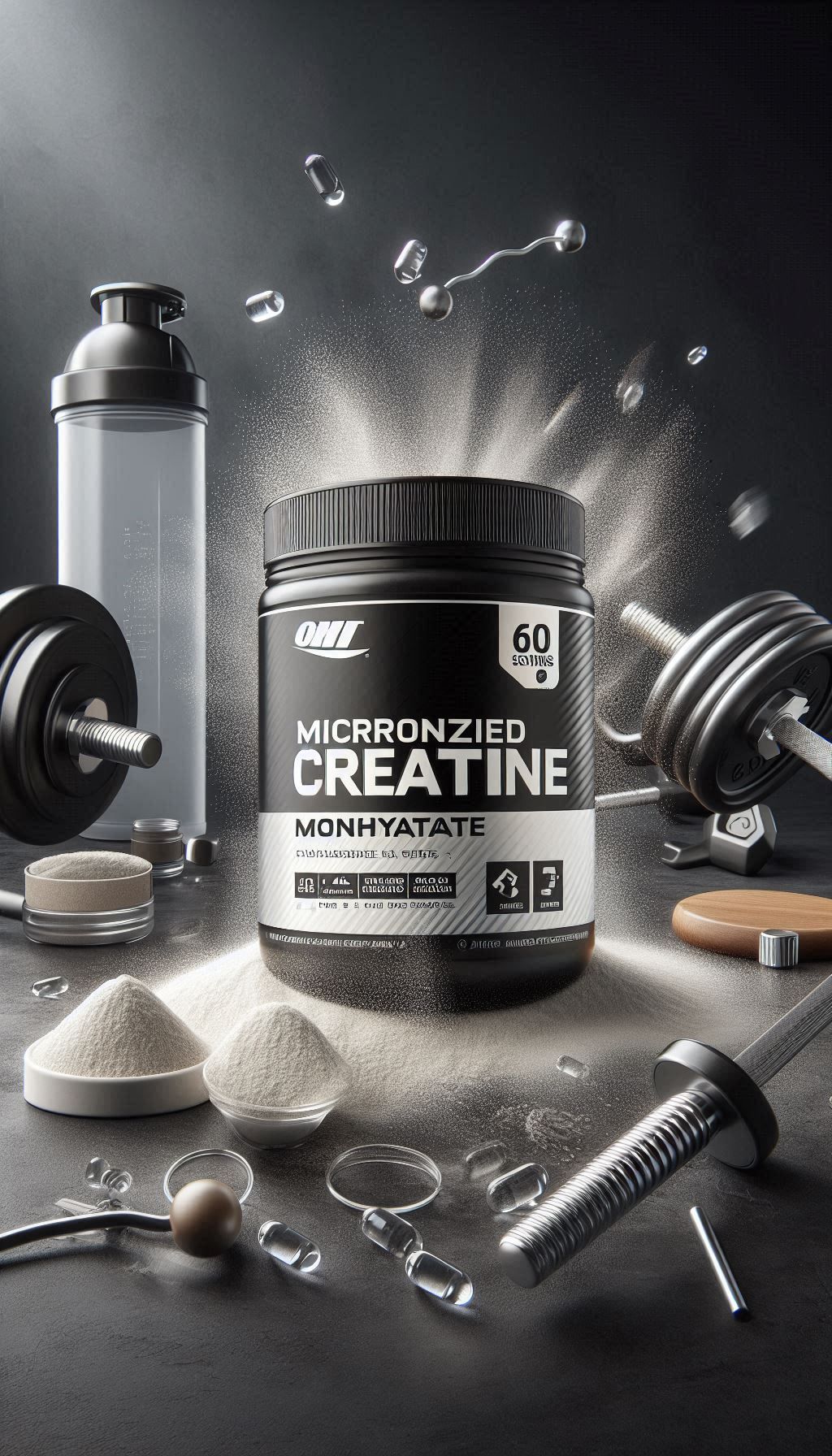
- Micronized Creatine: Smaller particles and dissolves more readily.
- Creatine HCl: Said to be more soluble and needs reduced doses.
- Buffered Creatine (Kre-Alkalyn): Popularly sold as pH-stable, but no good evidence.
- Creatine Ethyl Ester: Widely used in the past, now disregarded because of poor absorption.
Bottom line: Stay with the creatine monohydrate. It works, it’s cheap, and decades of research have vouched for it.
Who Can Take Creatine?
- Athletes and Gym-Goers: To increase strength, power, and muscle mass.
- Students and Professionals: To assist the mind to cope with mental exhaustion activities.
- Older Adults: To fight muscle loss that comes with age and to enhance mobility.
- Vegetarians/Vegans: Because meat contains creatine, supplementation may prove useful.
Creatine Myths
Myth 1: Creatine is a steroid.
Fact: Creatine is not a hormone, steroid or illegal substance.
Myth 2: You must periodize creatine.
Fact: There are no facts that cycling is essential. It is safe to use in long-term.
Myth 3: Creatine leads to dehydration.
Fact: It is in fact useful in hydration, drawing water level to muscle cells. Simply take lots of fluids.
FAQS on Creatine:
Q1: How long does creatine take to show improvements?
You might feel better within 1-2 weeks and and it will work even more efficiently in case you conduct a loading phase. The growth of muscles and enhancement of strengths can be noticed after 3-4 weeks of consistent utilization
Q2: Do I need to take creatine on rest?
Yes. Continue taking your daily dose to make sure that your muscles are saturated.
Q3: Will taking creatine helps for nerves system?
The impact of creatine supplementation on working memory (backward digit span) and intelligence (Raven Advanced Progressive Matrices) had a significant positive effect (p < 0.0001) on these two tasks, which involve processing speed. These results highlight a dynamic and critical role of energy capacity of the brain in determining brain performance.
Q4: Does creatine spoil?
Creatine monohydrate is stable and may endure several years in case of dry and cool storage. May check the expiry dates on the label.
Q5: Is it possible to consume creatine among teens?
Although it is considered to be not dangerous to teens involved in sports, still, it is better to turn to a medical professional prior to beginning.
Q6: When is the best time to take creatine?
The best time is none, however most people choose to take it after a workout and with a carb or protein source to facilitate absorption.
Q7: Does creatine work in weight loss?
Indirectly, yes. Creatine can give you a jump in metabolism through building of lean muscle mass. Nevertheless, it is not a fat burner.
Q8: Can women take creatine?
Absolutely. Females may experience strength, recovery, and cognitive benefits of creatine equally to their male counterparts.