Ayurveda has certain medicinal leaves, which people apply on the skin in order to treat arthritis, sciatica, muscle strain, and swelling. These leaves are heated, rubbed with oil and applied to the sore area to soothe the body, swelling, and make the body recover instead of using tablets or powerful pain relievers. The traditional healers usually recommend Aak leaf in knee pains, a pack of castor (Arandi) leaf in back pains, and the Nirgundi leaf paste or oil in arthritis and stiff muscles, particularly in long term joint-related ailments.
Aak Leaves:
Aak Plant

Laboratory and animal research indicate that most of these Aak Plant Leaves actually reduce inflammation and pain. Aak (Madar, Calotropis gigantea): potent analgesic leaf. Ayurvedic perception and standard practice. Aak or Arka or Madar is an Ayurveda herb that is used with caution in curing pain and swelling, either externally or internally. The big thick sheets are generally heated and pounded into a compress that is applied to a sore knee, painful back or swollen part.
- Warmed Aak leaves dipped in sesame oil or meditated oil are used on the knee, back or shoulder to relieve pain and swelling.
Aak leaf is commonly used at home in Ayurveda as follows:
- A natural pain pack is a paste of the leaf which is very occasionally used on a sore part with salt or with other herbs. The Ayurvedic supervision uses oil prepared out of the leaf paste, cooked in sesame oil and water, as a topical application in cases of joint pains, muscle pains and some skin issues. These are the ancient practices that make Aak to be one of the most familiar Ayurvedic leaves when it comes to joint and swelling pains but it should never be taken orally and it should never be applied on the skin since the plant is poisonous when abused. There is scientific support on the positive effects of Aak leaf.
Study Highlights :
- The plant has natural chemicals that aid in reduction of inflammation and pain.
- The extracts of Calotropis have been found to significantly decrease the swelling and pain in the paw in animal experiments, and it is therefore anti-inflammatory.
- Animal studies (rats/mice) using leaf or latex extracts showed significant reduction in induced paw edema and pain behaviors, suggesting peripheral analgesic and anti‑inflammatory action.
- Some in vitro studies demonstrate antioxidant and anti‑microbial activity, relevant for wound and skin applications.
Evidence is mostly preclinical; Aak is considered potentially toxic internally, so modern Ayurvedic sources stress external, supervised use only.
Arandi /Castor Leaves:
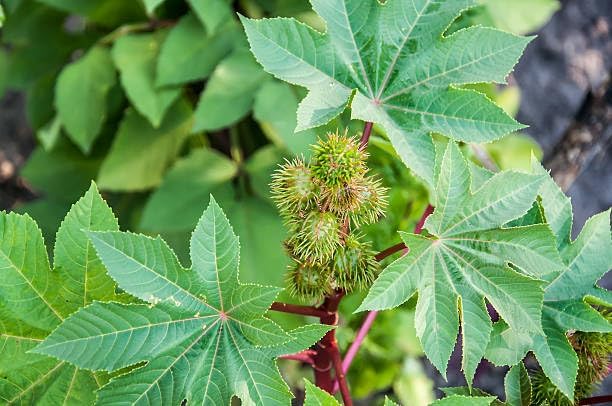
One such Ayurvedic herb, which is well known in the treatment of Vata disorders, particularly joint pains, sciatica, low back pain, and stiff muscle pains, is Arandi ( Ricinus communis). Even though we know about castor oil, the Castor Leaf is also used in warm poultices to relieve local pain.
How to Use:
- Lower back, sciatic nerve or painful joints Warm castor leaves moistened with oil are applied over the painful areas to relieve pain and stiffness.
- Warm leaf-oil paste is applied to the backache, pain in the arthritis, pain in the nerves, pain in the breast and some skin inflammations.
- Castor oil massages are used to treat arthritis, sore muscles and Vata related joint problems with a warm fomentation to be absorbed better.
Study Highlights
In current literature, there are reasons to explain why Arandi is a natural anti-inflammatory herb:
- Castor oil contains a significant amount of Ricinoleic Acid that has been shown to be an anti-inflammatory and pain reliever.
- Evidence indicates that Ricinoleic Aacid can reduce the level of inflammatory chemicals and pain reactions, which supports its application in treatment of arthritis and musculoskeletal pains.
- Ayurvedic reviews indicate that castor preparations have been successfully used in joint disease, nerve pain and inflammation, and is therefore a major pain-relieving herb.
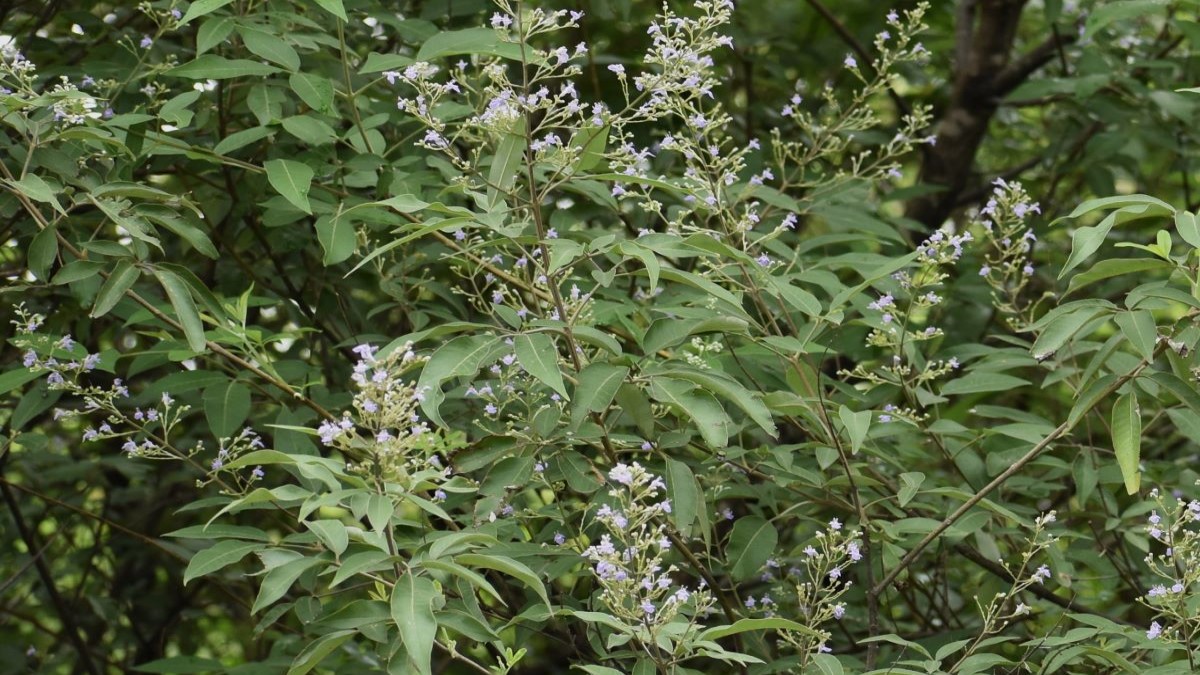
Nirgundi (Vitex negundo): potent anti-inflammatory Leaves.
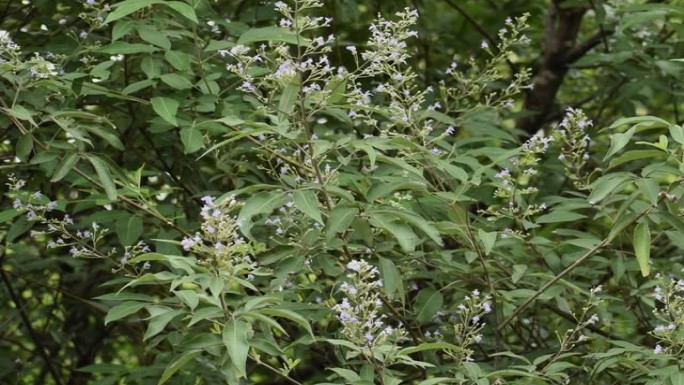
Nirgundi Ayurvedic profile. Modern research strongly supports Nirgundi, as an anti-inflammatory, pain-relieving herb. Nirgundi is a very esteemed Ayurvedic herb which is used to treat joint pain, arthritis, and muscle spasms. Its leaves are prepared into paste, decoction and medicated oil (Nirgundi taila) to treat swelling, sprains, neck pains, back pains, and other issues that are caused by Vata-Kapha (Ayurvedic Doshas).
How to Use:
External Application
- Nirgundi leaf paste is used as a plaster on inflamed swollen joints, sprains, and aching muscles to lower inflammation and stiffness.
- Nirgundi oil is applied in arthritis, spondylitis, frozen shoulder, knee joints, neck and back.
Decoction (Kwatha)
Boiling it with other herbs such as Guduchi (Gilo (گلو) are used to treat chronic arthritis and joint disorders.
Study Highlits
- Multiple animal studies demonstrate significant anti‑inflammatory and analgesic effects of Nirgundi leaf extracts in models such as carrageenan‑induced paw edema, cotton pellet granuloma and tail‑flick/hot‑plate tests.
- A pharmacological review of Vitex negundo compiles evidence of dose‑dependent reduction in inflammation and pain, plus antioxidant and anti‑microbial properties that support use in joint and soft‑tissue conditions.
- Some preliminary human/clinical reports (small studies and traditional clinical practice write‑ups) suggest benefit in arthritis, spondylitis and musculoskeletal pain when Nirgundi oil or decoctions are used as part of Ayurvedic therapy.
Safety Precautions for Using Ayuredic Leaves
· These treatments are primarily applied externally in the form of leaf packs, oils and compresses on the skin around painful regions.
· Aak ( Calotropis gigantea ) is regarded as potentially toxic when ingested hence it must not under any circumstances be ingested and to be applied externally under expert advice.
· Individuals whose skin is very sensitive, allergic, are pregnant, those with severe health problems, and those on frequent medicines should consult an Ayurvedic physician before taking the strong remedies of herbal leaves.
· Always apply it on a small area to see whether it will irritate one or not and never apply it on open wounds unless recommended by an expert.