In a world obsessed with diet trends, multivitamins, and wellness hacks, one humble nutrient often gets overlooked—despite being absolutely essential to our health. Vitamin D, nicknamed the "sunshine vitamin," isn’t just another pill in your supplement lineup. It’s a silent powerhouse, quietly supporting everything from your bones to your mood. And yet, shockingly, many of us are running on empty without even realizing it.
Let’s break down why Vitamin D is so vital, how it impacts more than just your skeleton, and—most importantly—how you can make sure you’re getting enough without turning your life upside down.
·Beyond Bones: The Hidden Perks
While its bone benefits are well-known, Vitamin D’s résumé is way more impressive than most people realize.
1. Immune System’s Secret Weapon
Think of Vitamin D as your immune system’s backup singer—quiet but crucial. It helps your body fend off infections and calm inflammation. Studies suggest people with healthy Vitamin D levels get fewer colds, recover faster from illness, and may even have milder respiratory infections (yes, including COVID-19). It’s not a magic shield, but it’s like giving your immune system a better toolkit.
2. The Mood Booster You Didn’t Know You Needed
Ever notice how a sunny day can turn your whole outlook around? There’s science behind that. Low Vitamin D has been linked to depression, seasonal affective disorder (SAD), and general low energy—especially in places where winter feels endless. That’s because Vitamin D helps regulate serotonin, the brain’s "feel-good" chemical. It’s not a cure-all, but if you’re feeling perpetually blah, a deficiency could be playing a role.
3. Heart Helper
Your ticker might thank you for keeping Vitamin D levels in check. Research hints that it helps lower inflammation, regulate blood pressure, and possibly reduce heart disease risk. The exact mechanics are still being studied, but the connection is strong enough that cardiologists often check levels in patients.
4. Muscle Guardian (Especially for Aging Bodies)
Weak muscles and shaky balance aren’t just "normal" aging—they can be signs of low Vitamin D. This nutrient helps maintain muscle strength and coordination, reducing the risk of dangerous falls in older adults. In fact, studies show that seniors with adequate Vitamin D take fewer tumbles.
The Deficiency Dil
The Deficiency Dilemma: Why So Many of Us Are Running Low
Here’s the irony: Even in sunny places, Vitamin D deficiency is shockingly common. Modern life keeps us indoors, slathered in sunscreen (which blocks UVB rays), or covered up for work and cultural reasons. Darker skin tones also naturally produce less Vitamin D from sunlight. Add in pollution or living far from the equator, and suddenly, deficiency isn’t so rare.
Common Red Flags
- Constant fatigue (even with enough sleep)
- Aches in bones or muscles
- Getting sick more often
- Feeling down for no clear reason
But here’s the catch—these symptoms are vague. The only way to know for sure? A simple blood test.
How to Get Your Fix: Sun, Plate, or Pill?
Sunshine: The gold standard. Just 10–30 minutes of midday sun a few times a week can do the trick—though this varies based on skin tone, location, and season. (Fair warning: Don’t skip sunscreen entirely; balance is key.)
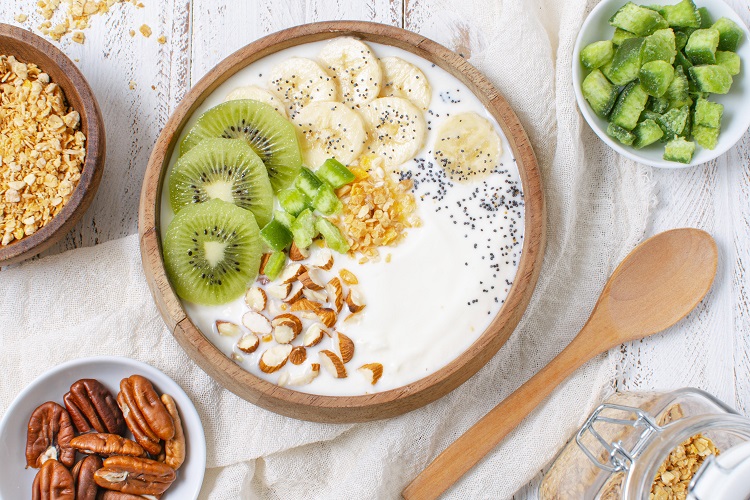
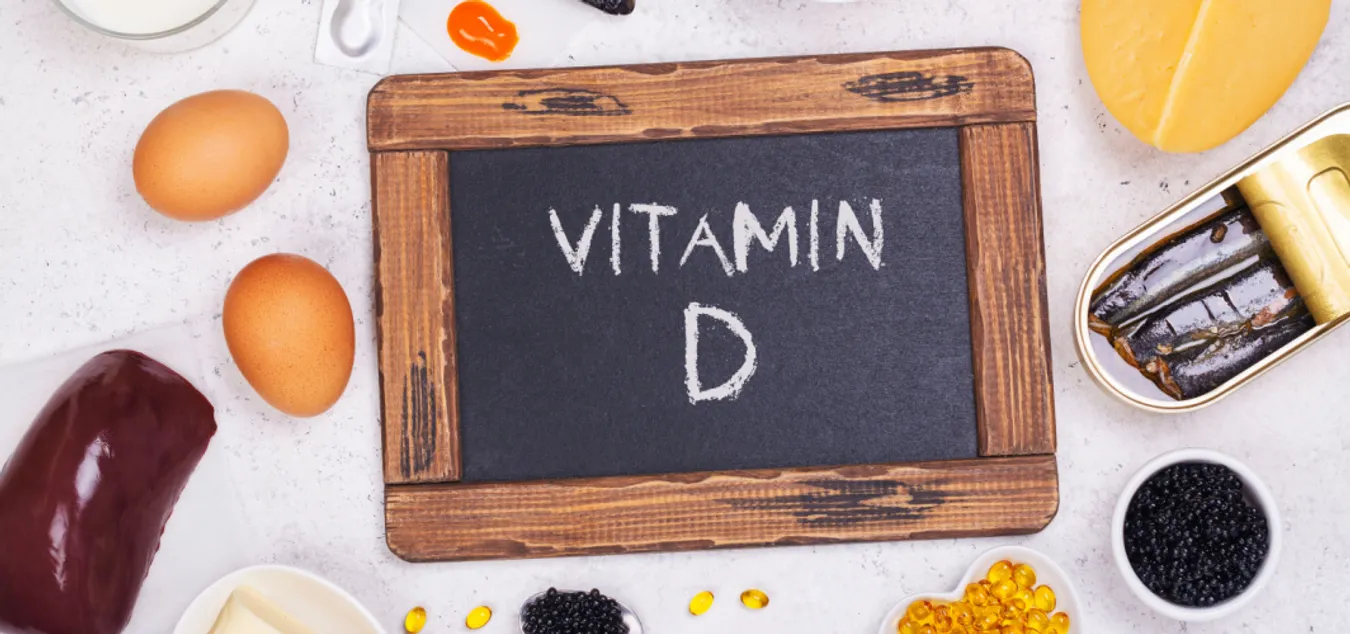
Food: Not many foods are naturally rich in Vitamin D, but these can help:
- Fatty fish (salmon, sardines)
- Egg yolks
- Fortified milk, orange juice, or cereal
- UV-exposed mushrooms (yes, really!)
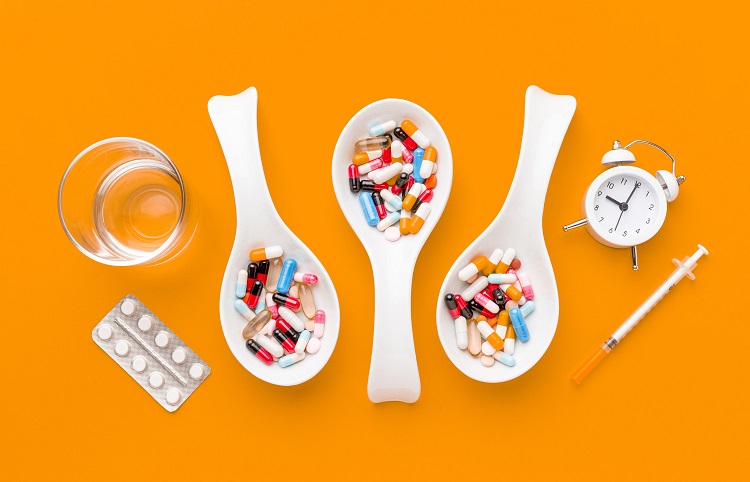
Supplements:A practical option, especially for high-risk groups (older adults, darker-skinned individuals, people with limited sun exposure). 600–800 IU daily is the general guideline, but check with your doctor—some may need more.
· The Fine Line: More Isn’t Always Better
Yes, you can overdo it. Vitamin D toxicity (though rare) can cause kidney issues or calcium buildup. Stick to recommended doses unless a doctor advises otherwise.
Final Thoughts
Vitamin D is proof that sometimes, the simplest things—stepping outside for a walk, choosing salmon for dinner, or asking your doctor about your levels—can make a world of difference. In our busy lives, it’s easy to overlook the basics. But this tiny nutrient? It’s working overtime to keep you strong, healthy, and resilient.
So next time the sun’s out, take it as a nudge. Your bones, immune system, and even your mood will thank you.
· Beyond Bones: The Hidden Perks
While its bone benefits are well-known, Vitamin D’s résumé is way more impressive than most people realize.
1. Immune System’s Secret Weapon
Think of Vitamin D as your immune system’s backup singer—quiet but crucial. It helps your body fend off infections and calm inflammation. Studies suggest people with healthy Vitamin D levels get fewer colds, recover faster from illness, and may even have milder respiratory infections (yes, including COVID-19). It’s not a magic shield, but it’s like giving your immune system a better toolkit.
2. The Mood Booster You Didn’t Know You Needed
Ever notice how a sunny day can turn your whole outlook around? There’s science behind that. Low Vitamin D has been linked to depression, seasonal affective disorder (SAD), and general low energy—especially in places where winter feels endless. That’s because Vitamin D helps regulate serotonin, the brain’s "feel-good" chemical. It’s not a cure-all, but if you’re feeling perpetually blah, a deficiency could be playing a role.
3. Heart Helper
Your ticker might thank you for keeping Vitamin D levels in check. Research hints that it helps lower inflammation, regulate blood pressure, and possibly reduce heart disease risk. The exact mechanics are still being studied, but the connection is strong enough that cardiologists often check levels in patients.
4. Muscle Guardian (Especially for Aging Bodies)
Weak muscles and shaky balance aren’t just "normal" aging—they can be signs of low Vitamin D. This nutrient helps maintain muscle strength and coordination, reducing the risk of dangerous falls in older adults. In fact, studies show that seniors with adequate Vitamin D take fewer tumbles.
· The Deficiency Dilemma: Why So Many of Us Are Running Low
Here’s the irony: Even in sunny places, Vitamin D deficiency is shockingly common. Modern life keeps us indoors, slathered in sunscreen (which blocks UVB rays), or covered up for work and cultural reasons. Darker skin tones also naturally produce less Vitamin D from sunlight. Add in pollution or living far from the equator, and suddenly, deficiency isn’t so rare.
Common red flags:
- Constant fatigue (even with enough sleep)
- Aches in bones or muscles
- Getting sick more often
- Feeling down for no clear reason
But here’s the catch—these symptoms are vague. The only way to know for sure? A simple blood test.
· How to Get Your Fix: Sun, Plate, or Pill?
Sunshine: The gold standard. Just 10–30 minutes of midday sun a few times a week can do the trick—though this varies based on skin tone, location, and season. (Fair warning: Don’t skip sunscreen entirely; balance is key.)
Food: Not many foods are naturally rich in Vitamin D, but these help:
- Fatty fish (salmon, sardines)
- Egg yolks
- Fortified milk, orange juice, or cereal
- UV-exposed mushrooms (yes, really!)
Supplements:A practical option, especially for high-risk groups (older adults, darker-skinned individuals, people with limited sun exposure). 600–800 IU daily is the general guideline, but check with your doctor—some may need more.
· The Fine Line: More Isn’t Always Better
Yes, you can overdo it. Vitamin D toxicity (though rare) can cause kidney issues or calcium buildup. Stick to recommended doses unless a doctor advises otherwise.
Final Thought: Small Steps, Big Impact
Vitamin D is proof that sometimes, the simplest things—stepping outside for a walk, choosing salmon for dinner, or asking your doctor about your levels—can make a world of difference. In our busy lives, it’s easy to overlook the basics. But this tiny nutrient? It’s working overtime to keep you strong, healthy, and resilient.
So next time the sun’s out, take it as a nudge. Your bones, immune system, and even your mood will thank you.
What Exactly Is Vitamin D?
Unlike most vitamins, Vitamin D is actually a hormone. Our bodies produce it naturally when sunlight kisses our skin—specifically, when UVB rays hit us just right. That’s why a sunny day doesn’t just lift your spirits; it literally fuels you.
But sunshine isn’t the only source. You can also get Vitamin D from fatty fish (like salmon and mackerel), egg yolks, and fortified foods like milk and cereal. And for those who struggle to get enough from sun or diet alone, supplements are a solid backup.
· Strong Bones: The Classic Role
Remember learning about rickets in school—the condition that causes weak, bowed legs in kids? That’s what happens when Vitamin D is severely lacking. Why? Because this vitamin is the unsung hero of calcium absorption. Without it, your body can’t properly use calcium, no matter how much dairy you chug.
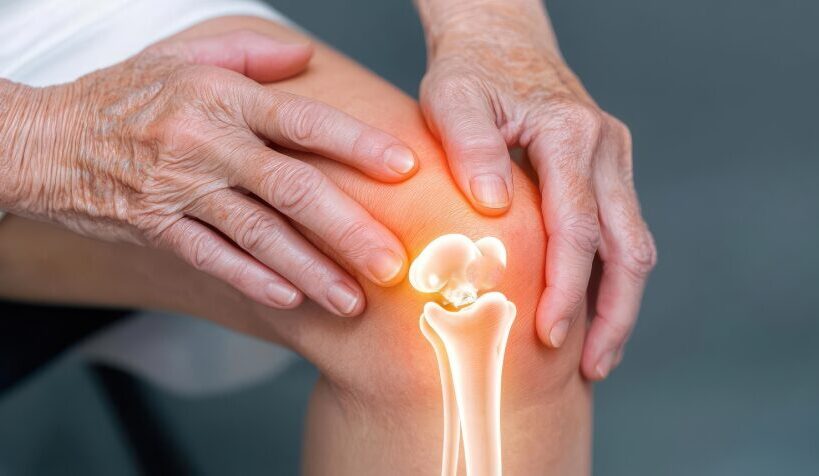
For kids, that means stunted bone growth. For adults, especially as we age, it means higher risks of fractures, osteoporosis, and that nagging bone pain you might dismiss as "just getting older." Bottom line: If you care about your skeleton, Vitamin D is non-negotiable.
In a world obsessed with diet trends, multivitamins, and wellness hacks, one humble nutrient often gets overlooked—despite being absolutely essential to our health. Vitamin D, nicknamed the "sunshine vitamin," isn’t just another pill in your supplement lineup. It’s a silent powerhouse, quietly supporting everything from your bones to your mood. And yet, shockingly, many of us are running on empty without even realizing it.
Let’s break down why Vitamin D is so vital, how it impacts more than just your skeleton, and—most importantly—how you can make sure you’re getting enough without turning your life upside down.
What Exactly Is Vitamin D?
Unlike most vitamins, Vitamin D is actually a hormone. Our bodies produce it naturally when sunlight kisses our skin—specifically, when UVB rays hit us just right. That’s why a sunny day doesn’t just lift your spirits; it literally fuels you.
But sunshine isn’t the only source. You can also get Vitamin D from fatty fish (like salmon and mackerel), egg yolks, and fortified foods like milk and cereal. And for those who struggle to get enough from sun or diet alone, supplements are a solid backup.
· Strong Bones: The Classic Role
Remember learning about rickets in school—the condition that causes weak, bowed legs in kids? That’s what happens when Vitamin D is severely lacking. Why? Because this vitamin is the unsung hero of calcium absorption. Without it, your body can’t properly use calcium, no matter how much dairy you chug.
For kids, that means stunted bone growth. For adults, especially as we age, it means higher risks of fractures, osteoporosis, and that nagging bone pain you might dismiss as "just getting older." Bottom line: If you care about your skeleton, Vitamin D is non-negotiable.