Frequent urination and overactive bladder (OAB) are two closely related conditions that affect millions of people worldwide. They have the ability to impair sleep, daily activities and the quality of life. Brown University Health argues that urinary tract infection (UTI), diabetes, pregnancy, kidney stones, or prostate problems might be the cause of frequent urination. In the meantime, Mayo Clinic and Cleveland Clinic point out that overactive bladder is commonly caused by involuntary contractions of the bladder muscles, particularly in adults.
Here we have discussed most common urination cures and overactive bladder treatment such as food, lifestyle changes, medical interventions, Kegel exercises, yoga, and Ayurvedic medicine.
What Frequent Urination?
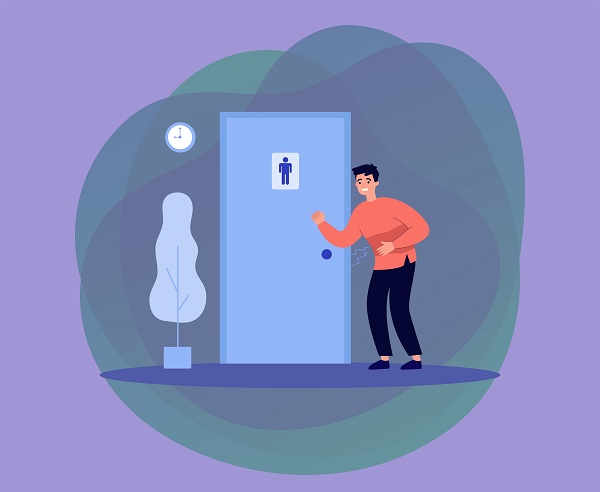
Frequent urination refers to having to urinate more frequently than usual - usually more than 8 times a day. It may be as a result of taking more fluids, yet constant symptoms usually indicate other health complications.
Common causes (Brown University Health, Mayo Clinic):
- Urinary tract infections (UTIs)
- Diabetes (high blood sugar causes urine to make more)
- Pregnancy (strain on bladder)
- Kidney stones
- Enlarged prostate in men
- Certain medications (diuretics)
What Is Overactive Bladder (OAB)?
Overactive bladder is a condition in which the muscles of the bladder involuntarily contract thus giving an abrupt urge to urinate although the bladder is not full.
Symptoms of OAB (Cleveland Clinic, Stanford Medicine):
- Sudden, strong urge to urinate
- Frequent urination (more than 8 times per day)
- Awakening several times at night (nocturia)
- Urge incontinence (leakage prior to getting to the toilet)
Signs and Symptoms to Watch For
Both frequent urination and OAB share overlapping symptoms:
- Needing to urinate often during the day and night
- Sudden urgency that’s hard to control
- Leakage or accidents before reaching the toilet
- Disrupted sleep due to nighttime urination
- Pain, burning, or blood in urine (may indicate infection — seek medical help immediately)
Foods That Support Bladder Health
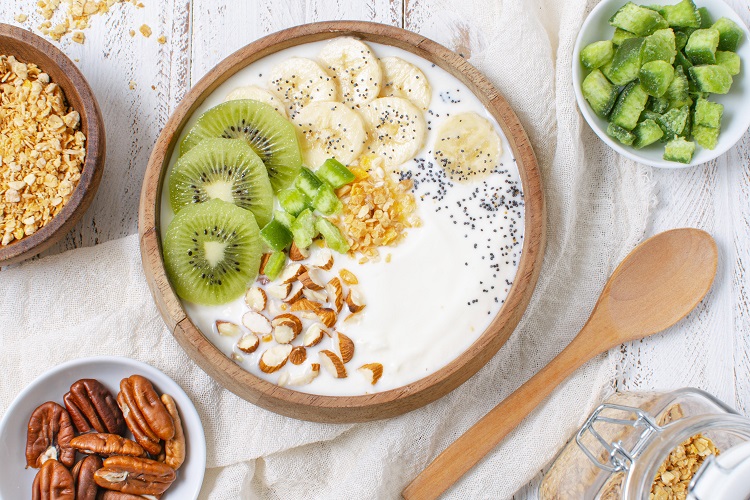
Bladder‑friendly fruits: Bananas, pears, and berries are gentle compared to citrus fruits.
High‑fiber foods: Oats, beans, and leafy greens reduce constipation, easing bladder pressure.
Hydration balance: Drink water steadily throughout the day, but avoid excess fluids before bedtime.
Limit irritants: Reduce caffeine, alcohol, spicy foods, chocolate, and carbonated drinks.
The National Institute of Diabetes and Digestive and Kidney Diseases (NIDDK) notes that bladder irritants like caffeine and alcohol are among the most common dietary triggers for OAB.
Lifestyle Changes
- Bladder training: Gradually increase the time between bathroom visits to strengthen bladder control.
- Weight management: Extra weight increases bladder pressure.
- Quit smoking: Nicotine irritates bladder muscles and worsens urgency.
- Stress management: Relaxation techniques like meditation and breathing exercises reduce bladder sensitivity.
- Brown University Health emphasizes avoiding bladder irritants and maintaining hydration balance for long‑term relief.
Kegel Exercises & Aging
- Kegel exercises strengthen pelvic floor muscles, improving bladder support and reducing leakage.
- Stanford Medicine research found that 12 weeks of pelvic floor training reduced urinary incontinence episodes by more than half in older women.
- Cleveland Clinic specialists recommend Kegels for both men and women, especially those experiencing age‑related bladder weakness.
- Aging impact: Bladder capacity decreases and muscles weaken with age, making urgency more common. Regular pelvic floor training helps counteract these changes.
Yoga for Bladder Control
- Bridge pose (Setu Bandhasana) and Child’s pose (Balasana) strengthen pelvic muscles.
- Cat‑Cow (Marjaryasana‑Bitilakasana) improves flexibility and relaxation.
- Legs Up the Wall (Viparita Karani) reduces pelvic tension.
- Research published in PubMed shows yoga and mindfulness practices improve bladder control and reduce stress‑related urgency.
Medical Treatments
- Antibiotics: For UTIs, a common cause of frequent urination.
- Diabetes management: Controlling blood sugar reduces excessive urination.
- Prostate treatments: Enlarged prostate (BPH) may require medication or minimally invasive procedures.
- Bladder relaxants: Prescription drugs calm overactive bladder muscles.
- Advanced options: Botulinum toxin injections, nerve stimulation, or surgery for severe OAB cases.
The Mayo Clinic highlights that medications such as anticholinergics and beta‑3 agonists are commonly prescribed for OAB, while Cleveland Clinic notes that advanced therapies like nerve stimulation can be effective for patients who do not respond to medication.
Ayurvedic Remedies
- Herbal teas: Coriander seed tea and barley water soothe the urinary tract.
- Ashwagandha & Gokshura: Traditionally used to strengthen bladder function.
- Cooling foods: Cucumber and coconut water balance urinary health.
- Yoga and Ayurveda combined: Both emphasize holistic strengthening of pelvic muscles and calming of bladder irritability.
When to See a Doctor
Seek medical help if frequent urination is accompanied by:
- Pain or burning sensation
- Blood in urine
- Lower back or flank pain
- Fever or chills
Institutions like Brown University Health, Mayo Clinic, and Cleveland Clinic stress that persistent symptoms may indicate UTIs, kidney stones, diabetes, pregnancy, enlarged prostate, or bladder cancer, requiring professional evaluation.
Key Takeaway
Frequent urination and overactive bladder can often be reduced by bladder‑friendly foods, lifestyle changes, Kegel and yoga exercises, medical treatments, and Ayurvedic remedies. Research from Brown University Health, Stanford Medicine, Mayo Clinic, Cleveland Clinic, and PubMed shows that combining behavioral interventions with pelvic floor strengthening offers the most effective relief.
For long‑term management, balance is key: frequent urination remedies should be personalized, and overactive bladder treatment should combine medical advice with lifestyle and holistic approaches.